
My Approach and Creative Resources
Children and young people often lack the words to explain complex, overwhelming emotions or difficult life experiences. Because an integrative approach focuses on meeting the client's unique communication style, I integrate a variety of creative resources into my practice to bridge the gap between feelings and speech, allowing them to express themselves without pressure.
My practice is proudly neuro-affirming. I work adaptively with neurodivergent (neurodiverse) children and young people, ensuring the environment and our activities accommodate sensory needs, communication preferences, and individual processing styles.
Depending on your child's age, development, and preferences, our sessions may involve:
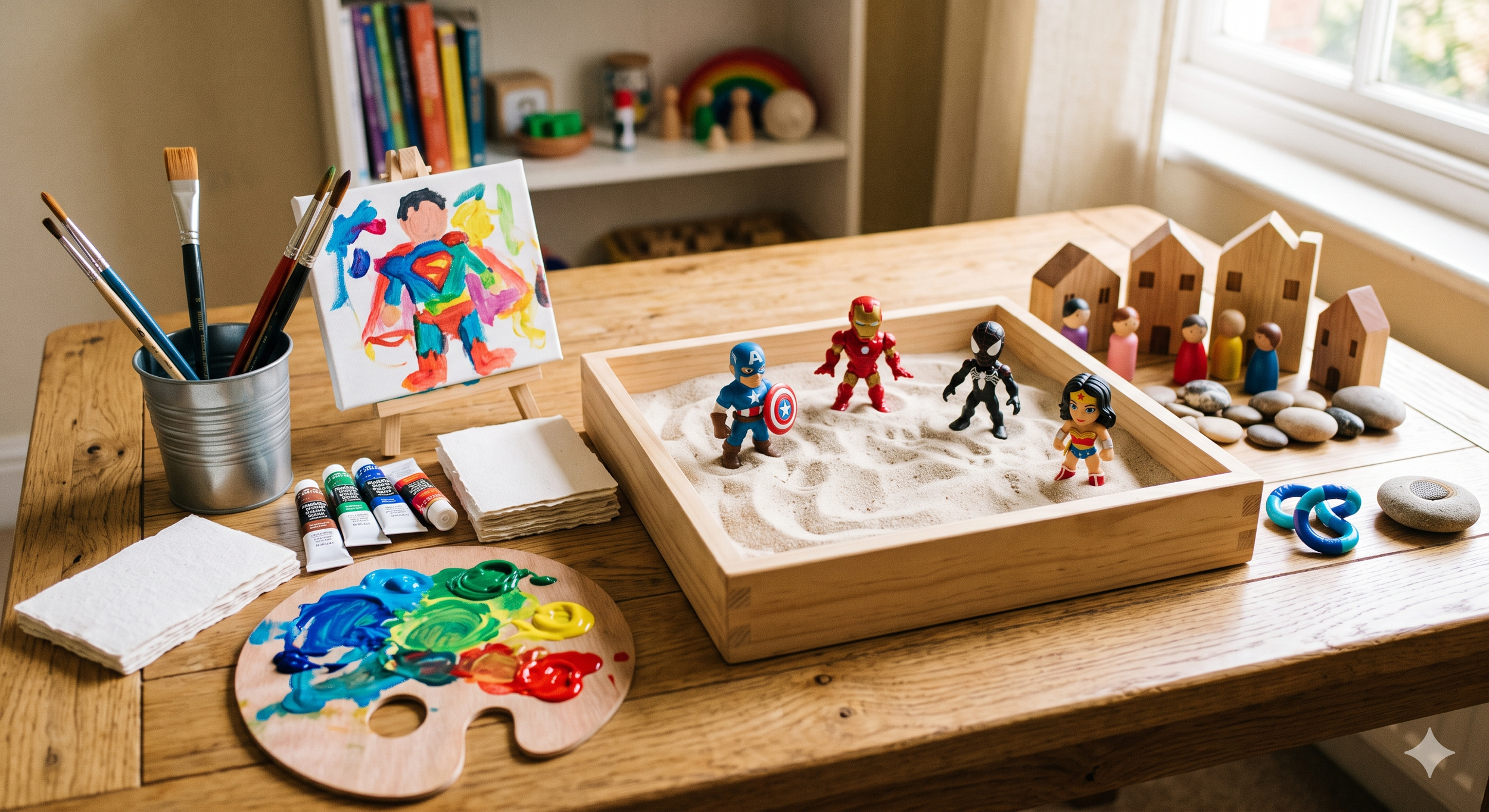
Sand Tray Work: A powerful, non-verbal way to safely project, explore, and process deep or complex inner worlds.
Games: Excellent for building trust, navigating frustration, and practicing real-time emotional regulation in a relaxed environment.
Crafts and Drawing: Creative outlets that allow children to externalise their worries and tell their stories in a way that feels natural to them.
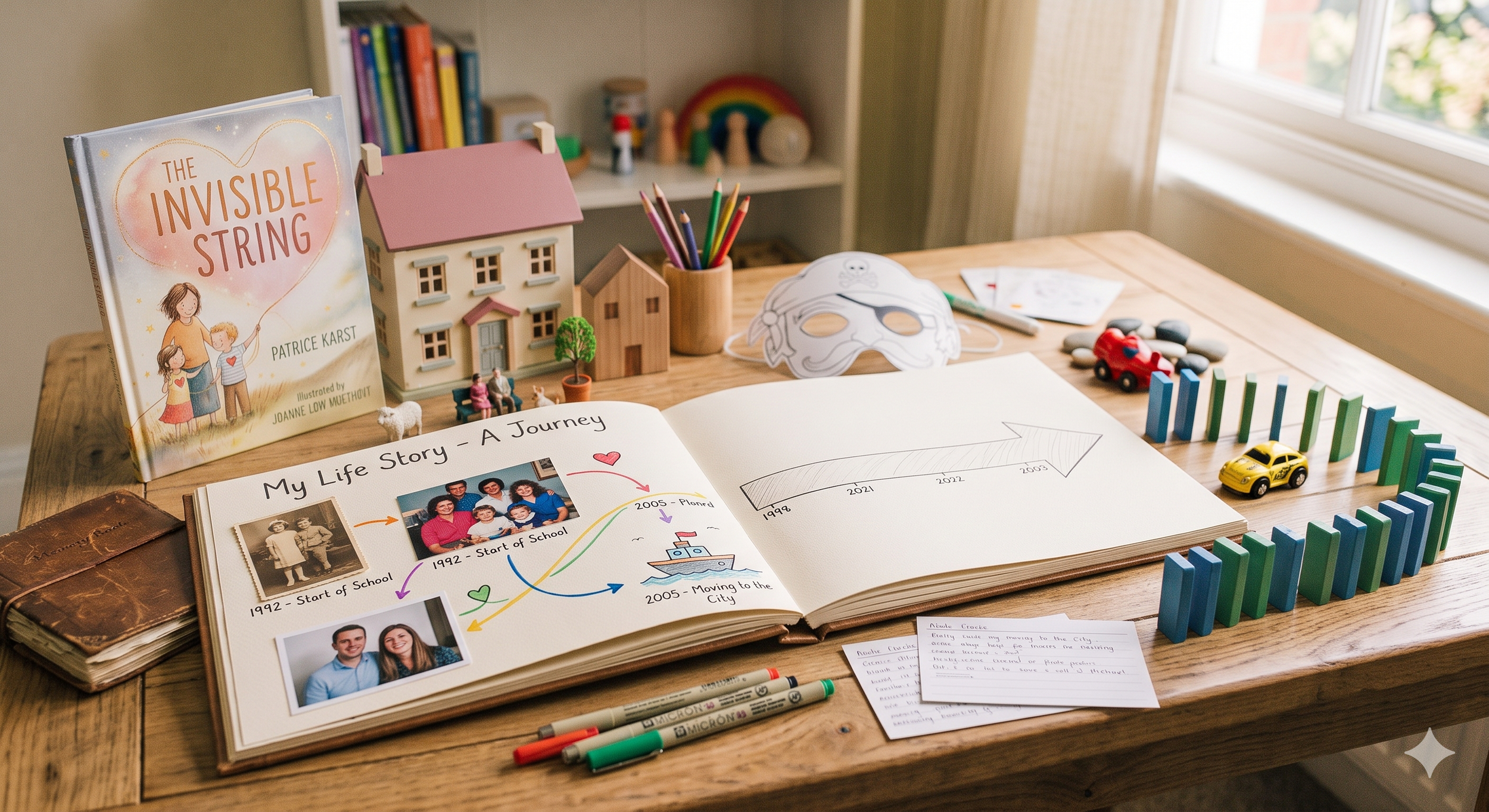
Life Story Work: A dedicated, creative process to help children make sense of their past, understand their personal history, and build a stronger, more secure sense of identity.
Whether working with a 4-year-old using play and imagination, or an 18-year-old navigating the transition into adulthood through a mix of creative arts and talking therapy, my goal remains the same: to offer a non-judgmental space where they feel completely safe, heard, and valued.
Areas of Specialism & How I Can Help
I support children and young people navigating a wide range of emotional, social, and situational challenges, including:
Anxiety and Low Mood: Managing panic, worry, physical anxiety symptoms, and periods of low mood.
Emotional Regulation: Navigating "big" emotions like anger, frustration, or overwhelm, and building healthy coping mechanisms to settle their nervous system.
Neurodiversity Support: Providing a safe, validating, and adapted therapeutic space for autistic children, ADHD, and those with other neurodivergent profiles.
Trauma: Specialized, trauma informed care for children and adolescents who have been impacted by domestic abuse, sexual abuse, or other deep-seated, painful life experiences.
Sleep Challenges: Supporting children and teenagers struggling with insomnia, bedtime anxiety, night terrors, or disrupted sleep patterns.
School, Bullying & Work Stress: Navigating academic pressures, school environment stress, peer pressure, and bullying, as well as helping older teenagers manage early work-related stress.
Relational & Family Difficulties: Supporting young people through complex relationship dynamics, peer isolation, or the unsettling transitions of family changes, parental separation, and household shifts.
Grief and Loss: Offering a gentle, compassionate space to process bereavement, significant life losses, or major adjustments.